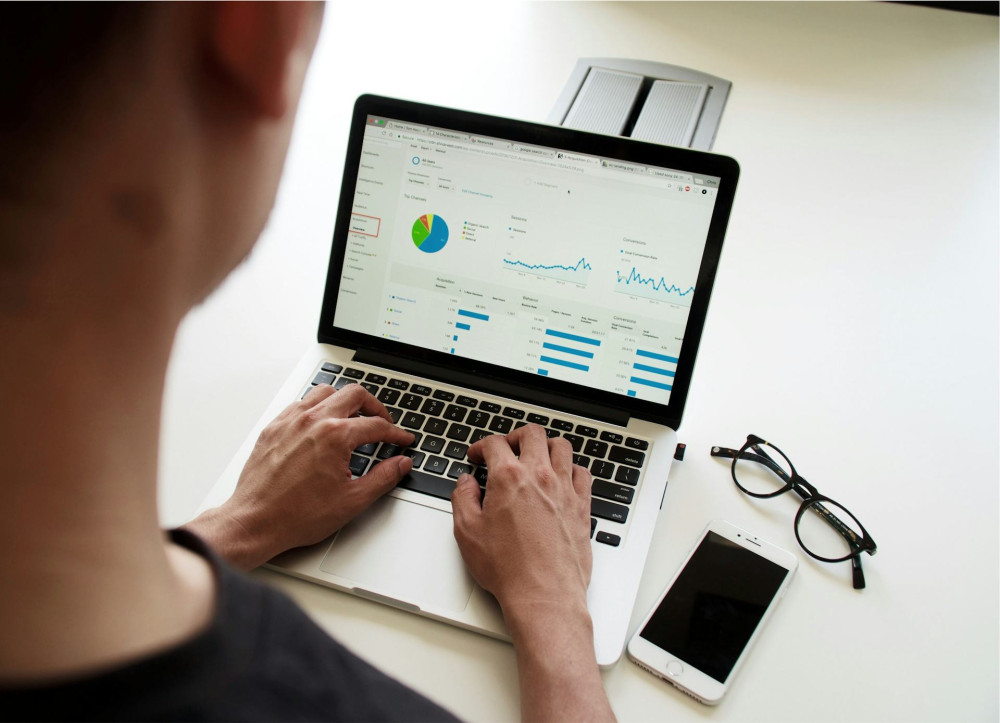
Real-Time Dashboards: Track Your KPIs Without Losing Sight of the Big Picture

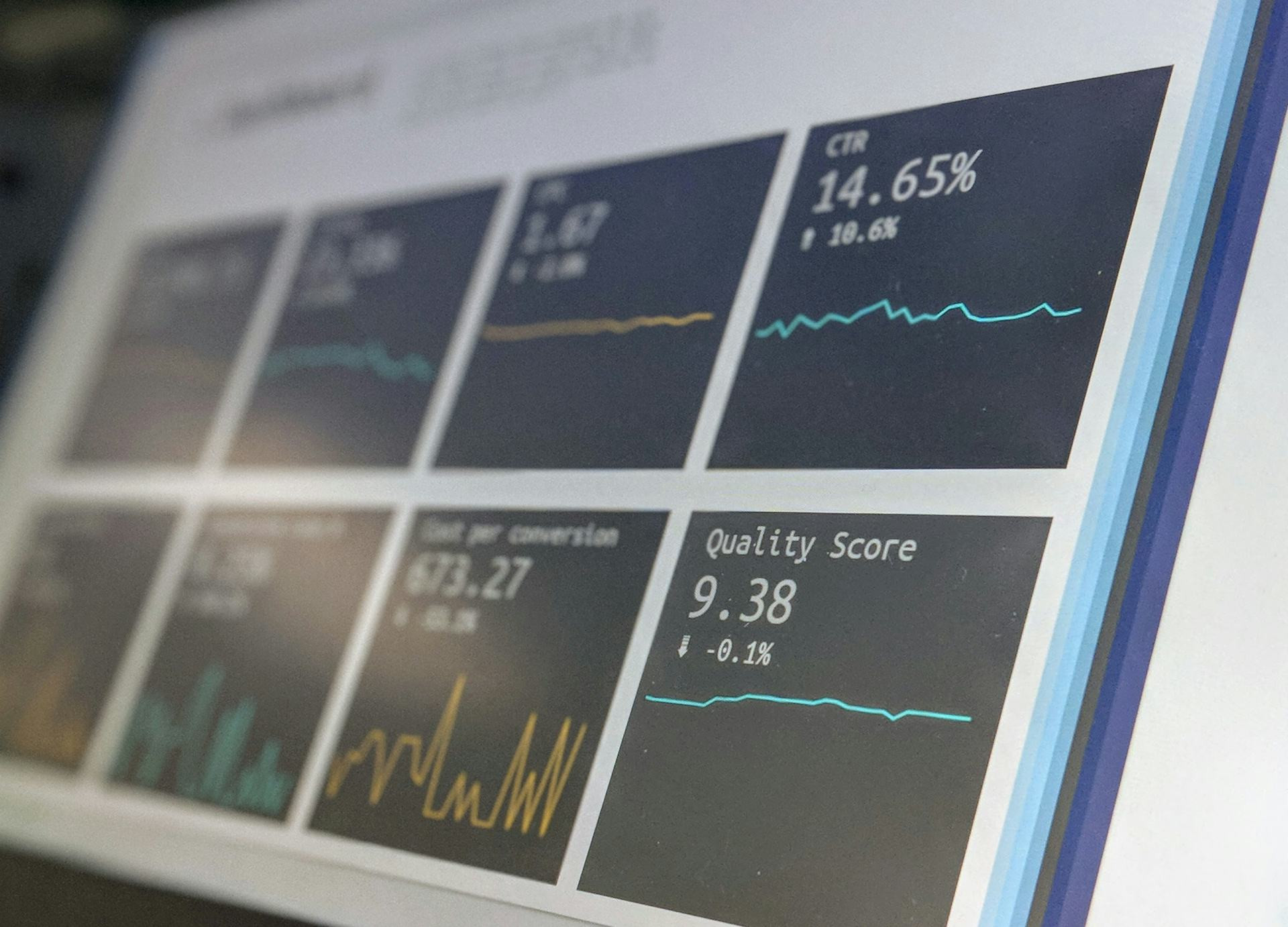
Real-Time Dashboards: Track Your KPIs Without Losing Sight of the Big Picture
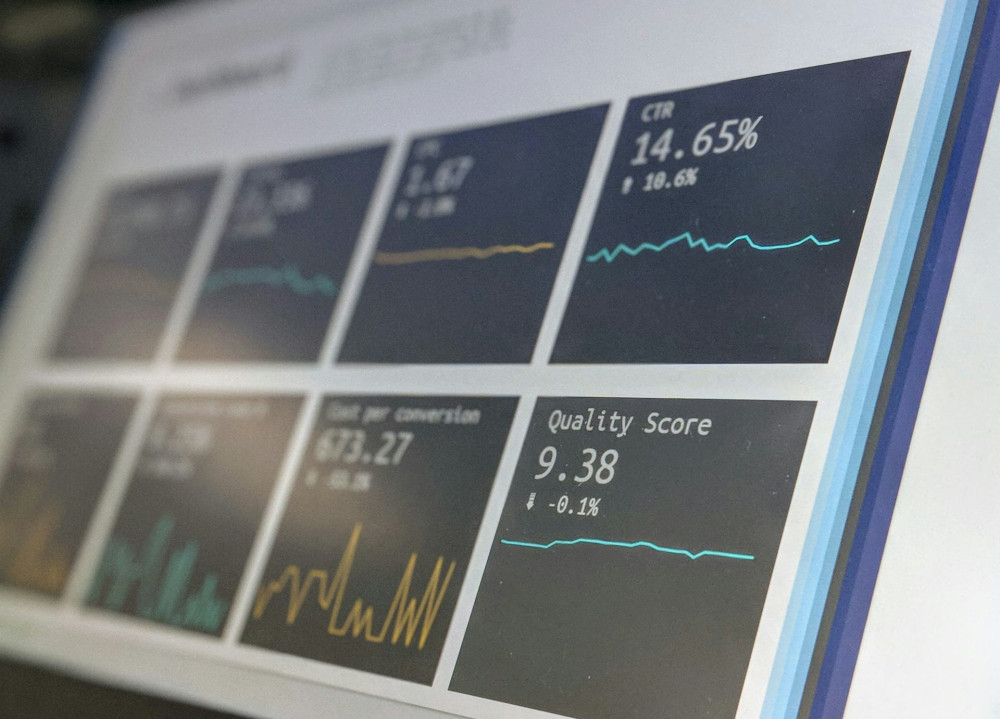
In a world where data moves faster than ever, the ability to monitor your key performance indicators (KPIs) in real time has become a genuine competitive advantage. Whether you work in marketing, sales, operations or customer service, a well-designed dashboard can give you clarity, confidence and control in a busy day. But how do you make sure your dashboard is more than just a collection of colourful charts – and instead becomes a real management tool that helps you make better decisions?
What does “real time” really mean?
When we talk about real-time dashboards, it doesn’t necessarily mean data updates every millisecond. It means that your information refreshes continuously, so you always see the latest status – without waiting for weekly reports or manual updates. For an e-commerce business, that might mean tracking sales hour by hour. For a manufacturer, it could be monitoring machine uptime. And for a marketing team, it might be seeing campaign performance as it happens.
Real-time data allows you to act quickly: adjust budgets, tweak campaigns or spot issues before they escalate.
From data to insight – and action
A dashboard is only as valuable as the decisions it drives. Many organisations drown in data but lack focus. That’s why you should start by defining which KPIs truly matter to your business.
- Marketing: click-through rates, conversions, cost per lead.
- Sales: pipeline value, close rate, average deal size.
- Customer service: response times, satisfaction scores, cases per agent.
- Operations: production speed, error rate, delivery time.
Once you’ve identified the most important metrics, build a dashboard that presents them clearly and simply. The goal isn’t to show everything – it’s to show what makes a difference.
Design with purpose
A good dashboard should be intuitive. Use colours, charts and indicators thoughtfully. Green means “on track”, red means “needs attention” – but don’t overdo it. Too many visual elements can create noise instead of clarity.
Also consider who will use the dashboard. A managing director might need a high-level overview, while a marketing specialist may require more detailed data. It often makes sense to create multiple versions – one strategic dashboard for leadership and one operational version for day-to-day users.
Læs også:

Integration and automation
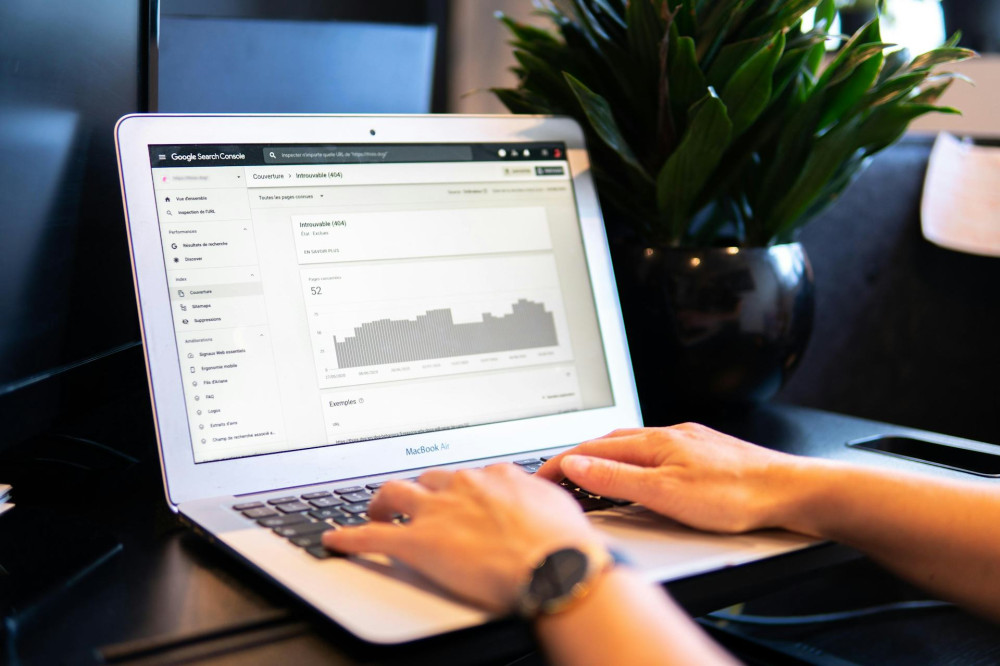
Real-time dashboards depend on connected data sources. These might include your CRM, Google Analytics, social media platforms, ERP systems or production data. Modern tools such as Microsoft Power BI, Tableau or Google Looker Studio make it possible to combine data from multiple sources and update it automatically.
Automation saves time and reduces the risk of human error. It also ensures that everyone in the organisation works from the same numbers – and therefore makes decisions based on a shared understanding of performance.
Avoid the common pitfalls
While dashboards can be powerful, there are a few traps to avoid:
- Too many KPIs: A dashboard with 30 metrics creates confusion. Focus on 5–10 that truly matter.
- Lack of context: Numbers without explanation can mislead. Add comparisons, targets or historical data.
- No ownership: If no one feels responsible for following up on the figures, the dashboard loses its value. Assign clear accountability.
- Overly technical design: A dashboard should be easy to use – even for those who aren’t data experts.
From reporting to culture
When used properly, dashboards become more than a reporting tool – they become part of your company culture. They promote transparency, shared goals and ongoing dialogue about results. But this only happens if leadership leads by example and uses the dashboard actively in meetings and decision-making.
A great dashboard isn’t a one-off project; it’s a living tool that evolves with your business. New goals, new campaigns and new markets require regular updates. The key is to ensure your dashboard always reflects what matters most right now.
Clarity in a data-driven world
In a world where data can feel overwhelming, a clear and up-to-date dashboard acts like a compass. It helps you navigate, prioritise and act – without losing sight of the bigger picture. Real-time insight isn’t about reacting faster at any cost; it’s about responding smarter.
When you can see your KPIs in real time, you gain more than numbers – you gain insight that drives action. And that’s where the real difference between information and decision-making power begins.
Læs også: