The Sound Environment in the Canteen – The Overlooked Key to Wellbeing


The Sound Environment in the Canteen – The Overlooked Key to Wellbeing
When we talk about wellbeing at work, the conversation often revolves around ergonomics, indoor air quality, and healthy food. But there’s one factor that is frequently overlooked: the sound environment in the canteen. Although lunch breaks are meant to be a time to relax and recharge, noise and poor acoustics can easily turn them into a source of stress. A good sound environment is not just about comfort – it affects employees’ wellbeing, social interaction, and even how food tastes.
When the Break Becomes Noisy
Most of us know the feeling: plates clattering, chairs scraping, and conversations blending into a constant hum. In large canteens, noise levels can easily exceed 80 decibels – roughly the same as a busy street. That means people have to raise their voices to be heard, which can lead to fatigue, irritation, and reduced concentration for the rest of the day.
Research from the UK and abroad shows that noise in break areas can increase stress levels and reduce the restorative effect of a lunch break. When the brain doesn’t get a moment of calm, the break becomes less effective – and that affects both wellbeing and productivity.
Acoustics and Design – Small Changes, Big Impact
Creating a pleasant sound environment doesn’t necessarily require a full renovation. Often, small adjustments can make a big difference. Here are some of the most effective measures:
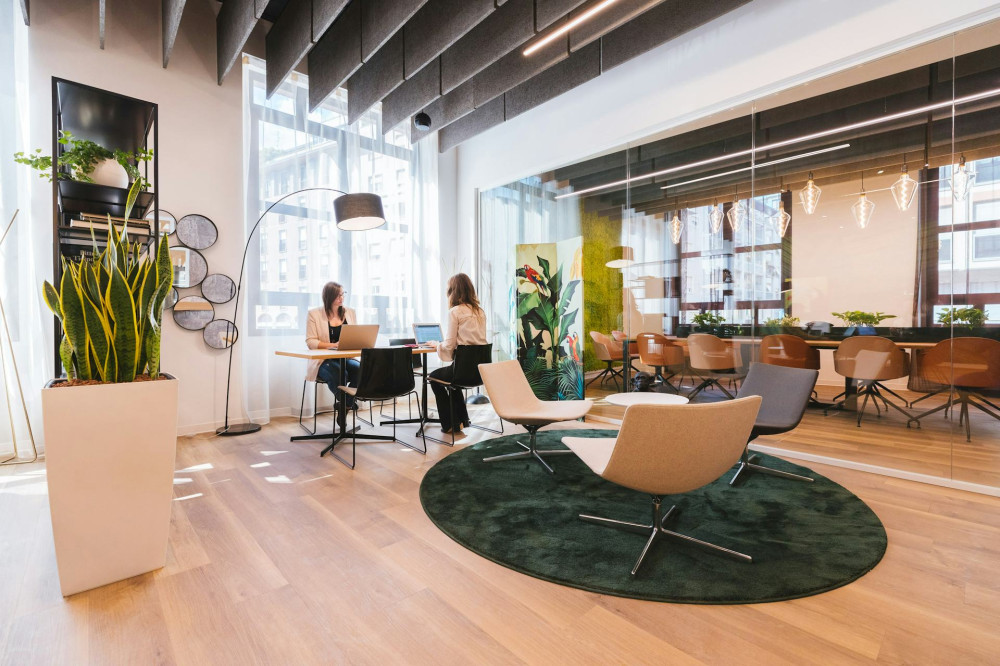
- Sound-absorbing materials: Ceiling panels, wall coverings, and acoustic artwork can reduce echo and lower overall noise levels.
- Soft surfaces: Curtains, upholstered chairs, and tables with matte finishes absorb sound better than hard materials like glass or metal.
- Zoning: Divide the canteen into smaller areas – for example, quiet zones and conversation zones – so people can choose where they feel most comfortable.
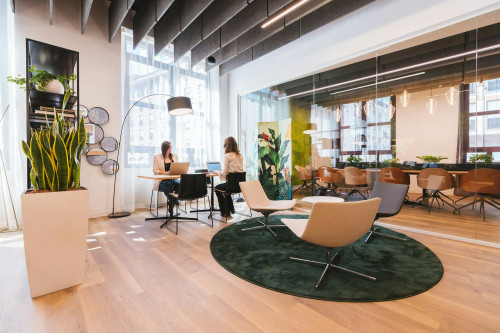
- Plants: Greenery not only improves the visual atmosphere but can also help diffuse sound and create a calmer acoustic environment.
By integrating sound considerations into the design, it’s possible to create a canteen where people can talk in a normal tone of voice and where the break truly feels like a break.
Sound and Social Connection
The canteen is one of the few places where colleagues from different departments meet informally. But if the noise level is too high, meaningful conversation becomes difficult. People may end up eating quickly, sitting alone, or skipping lunch altogether.
A good sound environment, on the other hand, encourages dialogue, community, and collaboration. When people can hear each other without strain, conversations become more relaxed, and relationships grow stronger. It’s an important – yet often underestimated – part of workplace culture.
The Taste of Silence
Sound doesn’t just influence mood; it also affects how we experience food. Studies have shown that noise can alter our perception of flavour – particularly sweetness and saltiness. In a noisy canteen, food may seem less tasty, even if the recipe hasn’t changed.
A calmer sound environment can therefore enhance the entire dining experience. When the surroundings are pleasant, we eat more slowly, enjoy our food more, and feel more satisfied afterwards.
A Shared Responsibility
A good sound environment isn’t created by designers alone – it requires a shared effort. Employees can help by being considerate: avoiding unnecessary chair movement, speaking at a normal volume, and tidying up quietly. Canteen staff can plan serving and cleaning routines to spread noise more evenly throughout the day.
When management treats the sound environment as part of workplace wellbeing, it sends a clear message: that employee comfort matters – even during lunch.
Læs også:

The Quiet Revolution in the Canteen
Across the UK, more organisations are beginning to recognise that the canteen’s sound environment is a key part of the overall employee experience. With simple measures, it’s possible to create canteens where calm, conversation, and enjoyment go hand in hand. It doesn’t necessarily require large investments – but it does require attention.
Ultimately, it’s about giving employees what a lunch break should be: a place to breathe, recharge, and connect. And it all begins with sound.
Læs også: