From Small to Large Warehouse – A Strategic Journey Towards Efficient Growth


From Small to Large Warehouse – A Strategic Journey Towards Efficient Growth
Expanding from a small warehouse to a larger one is far more than a matter of square footage. It is a strategic decision that can shape a company’s future efficiency, customer satisfaction, and competitiveness. Whether you run an e-commerce business, a manufacturer, or a wholesaler, scaling up your warehouse capacity requires careful planning, investment, and a clear understanding of how logistics and structure must evolve alongside growth.
Here’s a guide to approaching this journey – from the first signs of space constraints to the day your new warehouse operates like a well-oiled machine.
When Space Becomes Too Tight
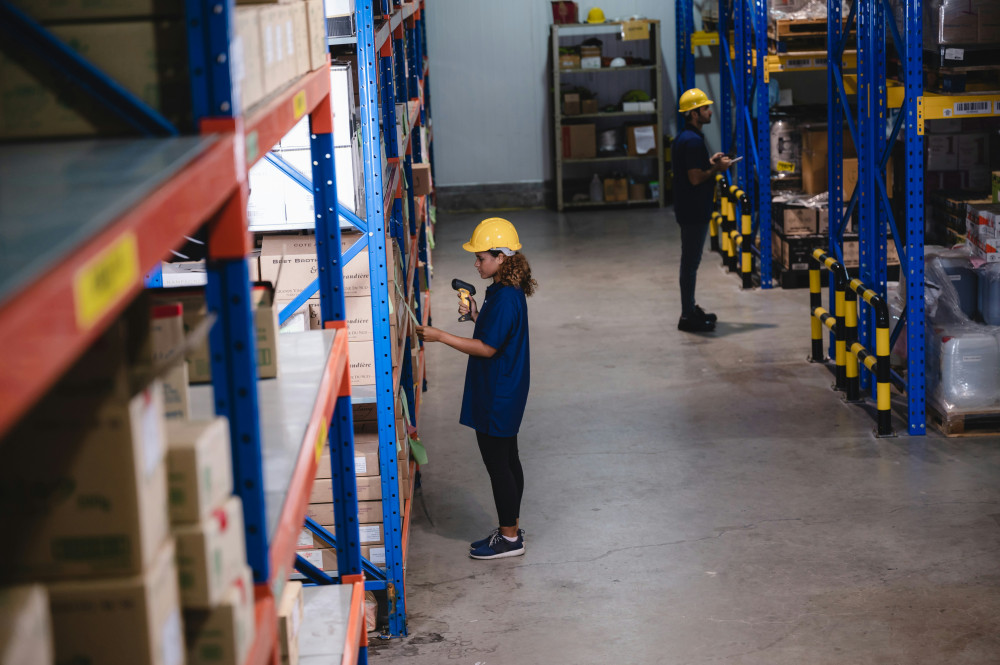
Most businesses realise the need for a larger warehouse gradually. It often starts with narrower aisles, pallets stacked too closely, and staff spending more time searching for products than picking them. These are clear signs that your current facility no longer supports your company’s growth.
Before deciding to move, it’s essential to analyse the root causes of the space issue. Is it seasonal demand, inefficient layout, or genuine growth in product range and orders? A thorough review of warehouse data can reveal whether optimisation of the existing setup is possible or if it’s time to take the next step.
Planning: From Need to Strategy
A larger warehouse is not just about extra space – it’s about creating a system that can grow with your business. Start by defining your objectives:
- Capacity: How many products must you handle now – and in three years’ time?
- Location: Should the warehouse be close to customers, suppliers, or your head office?
- Technology: Will you invest in automation, barcode systems, or warehouse management software (WMS)?
- Flexibility: Can the layout adapt if your product range changes?
A solid plan considers both current needs and future opportunities. It’s worth involving logistics experts and warehouse staff in the process – they know the daily challenges best.
Layout and Flow – The Key to Efficiency
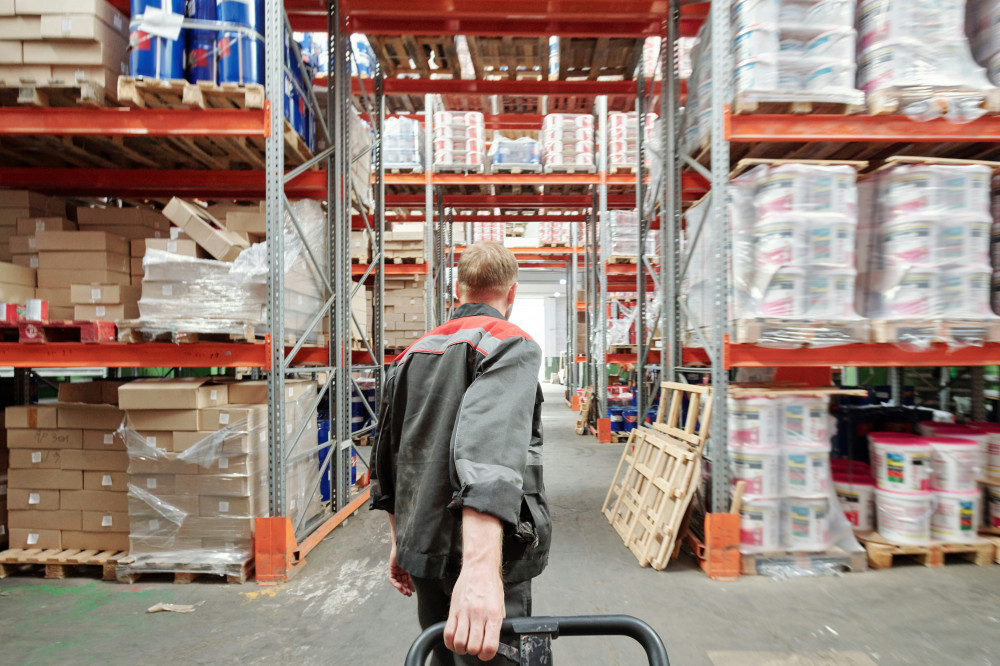
Once the decision to move is made, the practical work begins: designing the layout. An efficient warehouse is all about flow – ensuring goods move logically and quickly from receiving to dispatch.
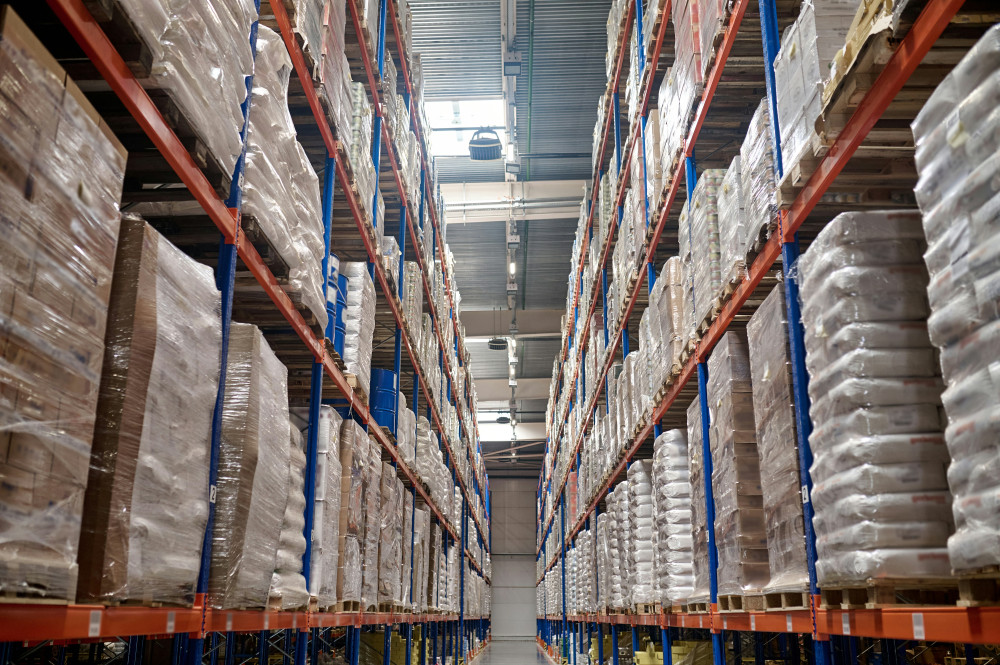
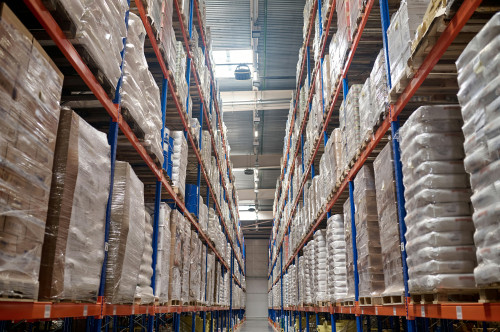
Think in zones: receiving, storage, picking, packing, and shipping. Keep high-demand items close to the picking area, and ensure heavy goods are handled safely. Use racking systems that maximise vertical space, and consider conveyors or picking trolleys if volumes are high.
A well-designed layout reduces wasted time, minimises errors, and creates a safer, more pleasant working environment – all of which contribute to smoother operations.
Technology as a Growth Engine
Digitalisation plays an increasingly vital role in modern warehousing. A robust WMS can provide real-time inventory visibility, optimise picking routes, and reduce shipping errors. Integration with your e-commerce platform, ERP, and transport systems ensures data flows seamlessly across the supply chain.
Automation – from robotic picking to sensors and data analytics – is no longer reserved for large corporations. Many small and medium-sized businesses find that even modest digital solutions quickly pay for themselves through time savings and fewer mistakes.
The People Behind the Warehouse
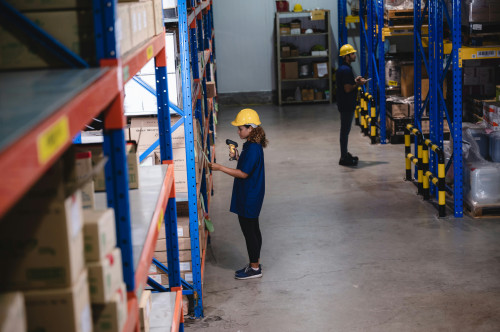
A larger warehouse also means more staff, new roles, and changed workflows. It’s crucial to involve employees early in the process so they feel ownership and understand the new systems.
Training and onboarding are key. A new WMS or picking method requires time to master. When employees feel confident in their new environment, both efficiency and job satisfaction rise.
Læs også:

From Relocation to Operation – Learning from the Process
The move to a new warehouse can be a logistical challenge. Plan it in stages so operations can continue during the transition. Create a detailed timeline and test systems and processes before going live.
After moving in, take time to evaluate. What works well, and where can improvements be made? Many businesses discover small bottlenecks only after a few months – and that’s perfectly normal. A culture of continuous improvement ensures the warehouse remains efficient as the company continues to grow.
A Warehouse as a Strategic Asset
A warehouse is not just a place where goods sit still. It’s a central link in the value chain – where efficiency, customer satisfaction, and profitability meet. Moving from a small to a large warehouse is therefore not only about space but about strategy.
With the right planning, technology, and employee engagement, the transition can become a catalyst for growth – and a foundation for a more resilient and future-ready business.
Læs også: