Coworking Spaces in Transition: From Fixed Desks to Flexible Work Communities


Coworking Spaces in Transition: From Fixed Desks to Flexible Work Communities
Coworking spaces across the UK have undergone a remarkable transformation in recent years. Once associated with fixed desks and long-term leases, they have evolved into dynamic environments that reflect a new era of hybrid work, self-employment, and agile business models. Flexibility, community, and wellbeing have become the defining features of the modern workplace.
From Fixed Desks to Fluid Work Patterns
As more people split their time between home, office, and travel, the need for permanent desks has diminished. Many companies now choose coworking memberships that allow employees to come and go as needed. This approach offers financial flexibility and the ability to scale up or down depending on team size and project demands.
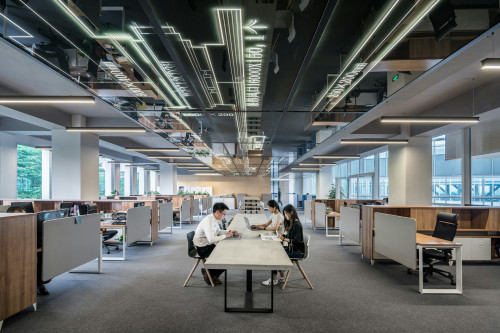
Traditional desks with nameplates have often been replaced by “hot desks” – spaces that can be booked daily or hourly. While this requires new ways of organising work, it also creates a more vibrant and varied environment where people encounter different colleagues, ideas, and opportunities each day.
Community as a Driving Force
Although flexibility is key, the social aspect remains one of the main reasons people choose coworking spaces. For freelancers, start-ups, and remote workers, the sense of community provides not only companionship but also professional support and inspiration.
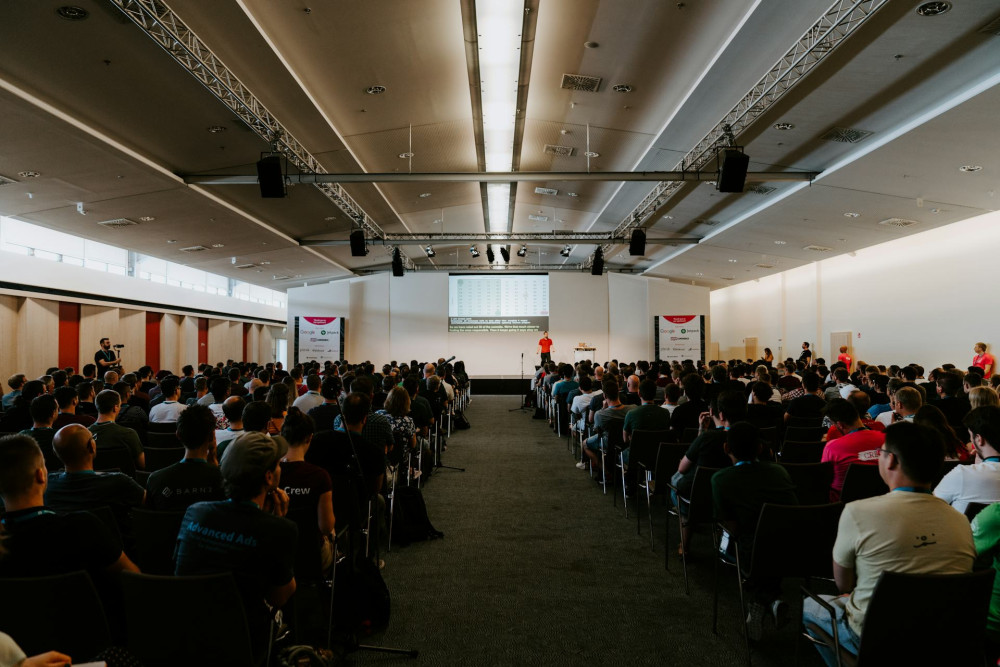
Many coworking hubs host shared lunches, networking events, or skill-sharing sessions that strengthen relationships and foster collaboration. These activities are not just enjoyable – they often lead to new partnerships, clients, and creative projects.
Design and Wellbeing at the Core
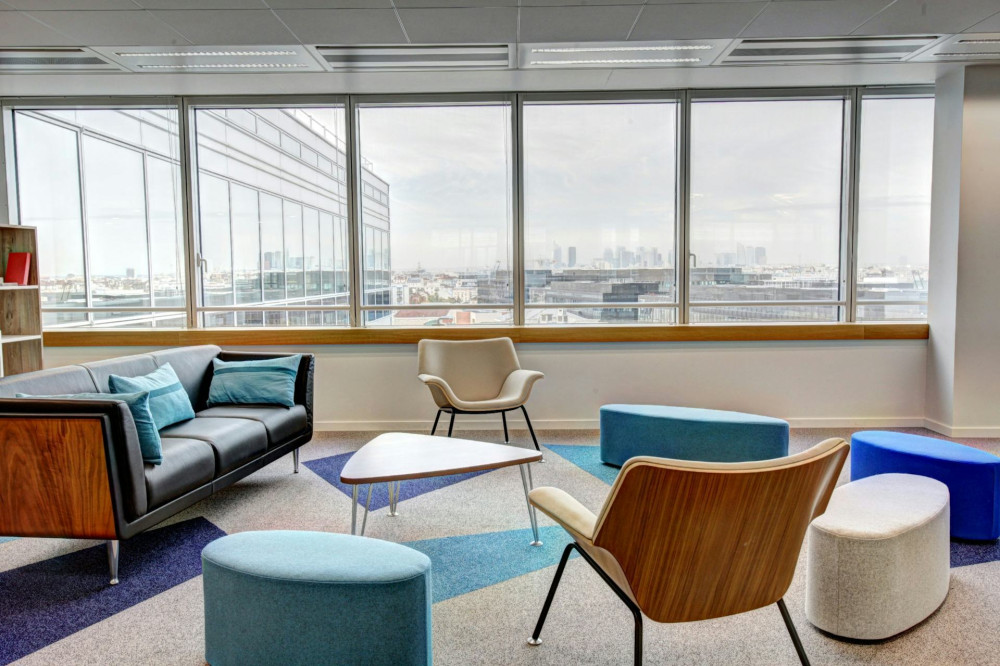
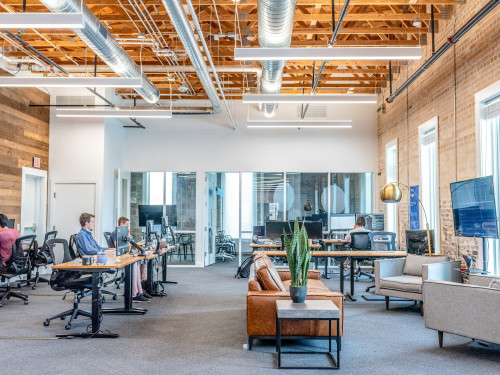
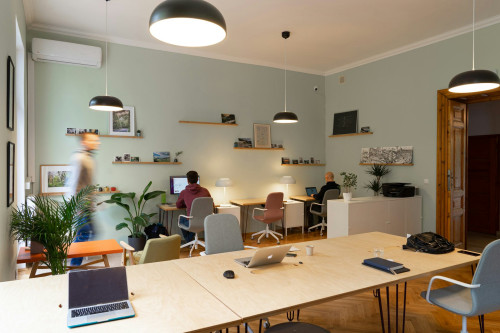
Modern coworking spaces are designed with wellbeing and adaptability in mind. Layouts are carefully planned to accommodate both focus and collaboration, often combining open areas, quiet zones, meeting rooms, and relaxed lounges.
Natural light, acoustics, and greenery play a crucial role in creating a pleasant atmosphere. Sustainability is also a growing priority, with many UK spaces using recycled materials, energy-efficient systems, and local suppliers. This reflects a broader shift towards responsible business practices and environmental awareness.
Technology as an Enabler
Digital tools have made flexible work easier than ever. Booking apps, smart access systems, and high-speed internet allow coworking spaces to operate efficiently and give members the freedom to work when it suits them.
Video conferencing and cloud-based collaboration tools have blurred the boundaries between physical and virtual work. Many coworking providers now offer hybrid memberships, enabling people to stay connected to the community even when working remotely.
Læs også:

A New Balance Between Freedom and Structure
For many professionals, coworking represents a balance between independence and routine. It offers the freedom to choose where and when to work, while still providing a structured environment that supports productivity and social interaction.
This model appeals not only to freelancers and entrepreneurs but also to larger organisations seeking to offer employees more choice and autonomy. The coworking space becomes more than just a place to work – it becomes a setting where ideas, relationships, and new ways of thinking about work can flourish.
The Future of Work Communities
The evolution of coworking spaces shows no sign of slowing down. Across the UK, cities and towns are embracing them as part of local economic development, and property owners are increasingly incorporating flexible office areas into their portfolios.
The future of coworking will likely be even more hybrid – blending physical presence, digital collaboration, and community engagement. It’s no longer just about square footage, but about creating environments that nurture people, creativity, and sustainable growth.
Læs også: